4 min read · 9/27/2023

This article is a continuation of our previous piece on “Hair Love” and its impact on black representation in illustration and animation. If you haven’t read it yet, we encourage you to catch up on that article for a deeper dive into the origins of this inspiring journey.
In recent years, the world has seen a heartening surge in creative works aimed at promoting positive black representation. It all began with the Academy Award-winning short film and best-selling children’s book, “Hair Love,” which emerged as a beacon of hope for children and parents alike, encouraging them to take pride in their beautiful, natural black hair.
“Hair Love,” created by former professional football player Matthew A. Cherry, set out on a mission to combat the racist stereotypes and negative imagery that have long oppressed people of color with textured hair. The story revolves around Zuri, a young protagonist who, with the help of her father and hairstyle vloggers, discovers love and pride for her unique hair.
Both the film and book versions of “Hair Love” breathe fresh air into the world of black representation. Zuri narrates her experiences with youthful exuberance, emphasizing the special qualities of black hair, even likening it to performing ‘magic tricks’ when it quickly shrinks under the rain. The story also beautifully portrays positive imagery of black fatherhood, underlining the father’s unwavering love for his daughter and his determination in helping her manage her hair.
In the United States, African-Americans have faced a long history of negative imagery surrounding their bodies, including the texture of their hair. “Hair alteration should be viewed as unequivocally damaging,” writes Cheryl Thompson in her essay, highlighting the societal pressure to straighten natural black hair.
Animation, unfortunately, played a part in perpetuating these stereotypes, with black characters often ridiculed and drawn with crude intentions. It was a painful reminder of the racist views that had plagued society for generations.
With “Hair Love,” Matthew A. Cherry aimed to shatter these stereotypes and provide a positive image of black familial relationships. He wanted to showcase the involvement of black fathers in their children’s lives, challenging the harmful stereotypes that had persisted for so long.
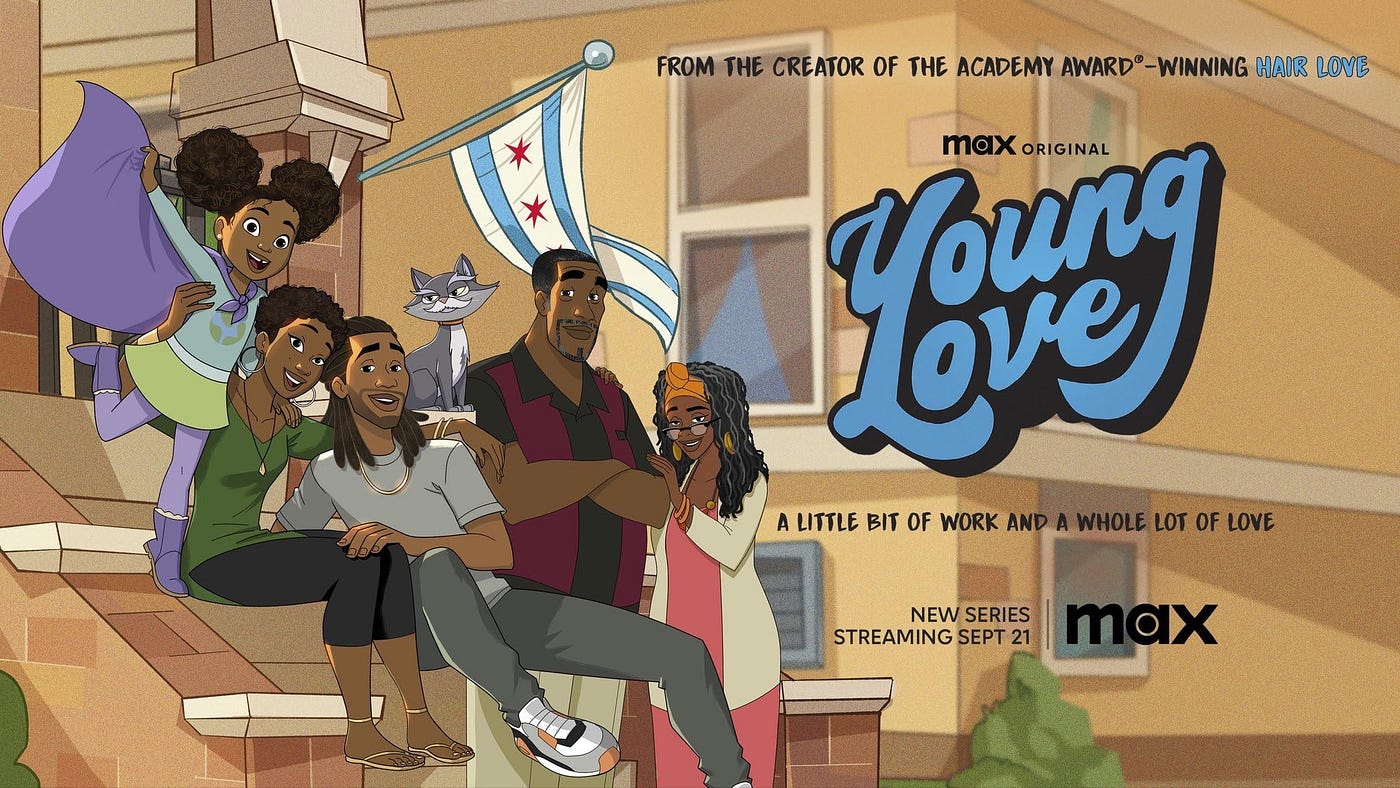
Now, in a delightful turn of events, “Young Love” has taken the spirit of “Hair Love” to the small screen. This eagerly awaited TV series continues the story of characters from the Oscar-winning short film, offering a deeper look into the bustling, beautiful Black family at its heart.
Zuri, the precocious 7-year-old, continues to keep her parents on their toes in “Young Love.” Angela, voiced by Issa Rae, is Zuri’s mom, a hair stylist returning to work after battling cancer. Scott “Kid Cudi” Mescudi lends his voice to Stephen, Zuri’s dad, an aspiring hip-hop producer who tackles the challenges of parenthood with humor and love.
The show captures moments of everyday family life, balancing universal themes with the specifics of Black culture. It’s a Millennial family, navigating the complexities of work, home, and health scares, all while celebrating their Black heritage. Angela works in a Black hair salon, and Zuri dreams of sporting the coolest Afro puffs in town.
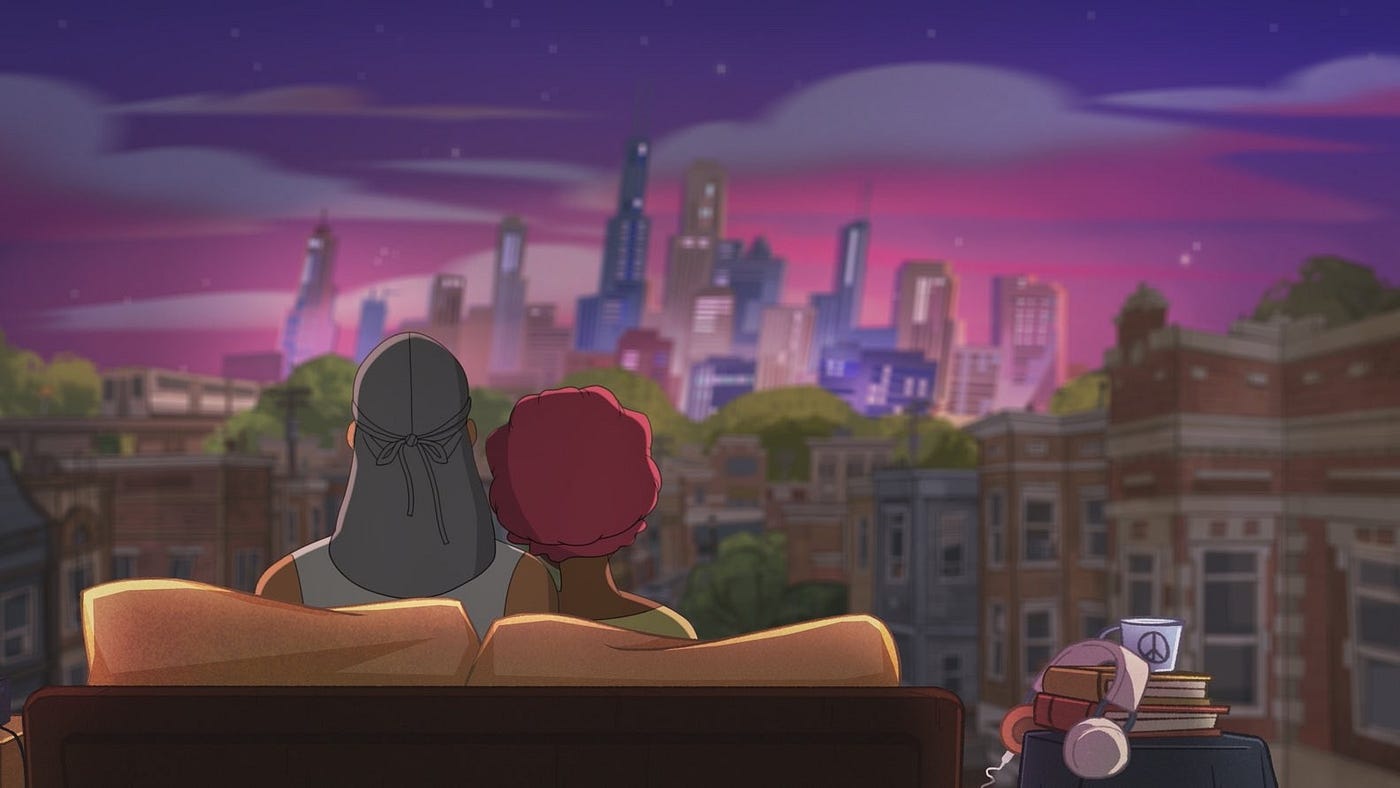
While “Hair Love” was a six-minute masterpiece that relied heavily on creative imagery, “Young Love” offers slightly more sophisticated animation and plenty of heartwarming dialogue. The series focuses on the family’s journey within a caring community, sprinkled with playful wisecracks that capture the essence of familial bonds.
In a television landscape often dominated by cynicism and darkness, “Young Love” emerges as a breath of fresh air. It stands as a smart, culturally relevant, and optimistic testament to the power of family in overcoming life’s challenges.
These two creative gems, “Hair Love” and “Young Love,” stand as testaments to the importance of positive black representation in illustration, animation, and television. They remind us that Black truly is beautiful and that family, love, and pride can conquer all.
As we celebrate these endeavors, we invite you to stay tuned to LoutherVizion for more insightful articles and updates on this inspiring journey of representation and empowerment. Together, let’s continue to champion positive Black imagery in the world of storytelling.
Stay connected with LoutherVizion for more inspiring content and updates on positive black representation in media.
About Us:
LoutherVizion is a dynamic design & production team founded by two brothers, Alexander Louther and Maximilian Louther. Both of us are proud graduates of San Francisco State University, holding bachelor’s degrees in Communications and Broadcasting, as well as Electronic Communication Arts. Our passion for visual storytelling and technology led us to establish Louther Vizion, where we combine our expertise to bring your ideas to life.
 This is the portfolio website of brothers Alexander Louther and Maximilian Louther.
Leave a comment